Purpose Behind Practice: Making Drills Count in Swimming

Swimming drills are more than just session fillers; they're powerful interventions that can transform technique when used with purpose and intent. Yet too often, drills become mindless repetitions rather than targeted tools for improvement. Let's dive into why purposeful drilling matters and how to maximise their effectiveness in your swimming journey.

The Intervention Mindset
Think of drills as precise surgical instruments rather than broad-stroke solutions. Each drill should serve a specific technical purpose, whether it's correcting body position, enhancing the catch, or improving stroke efficiency. When coaches and swimmers approach drills with this intervention mindset, the results can be transformative.
Consider these key principles
1. Clear Purpose: Every drill should answer the question: "What specific technical element are we trying to improve?" Without this clarity, drills become mere time-fillers rather than catalysts for change.
2. Intentional Implementation: Timing matters. Introducing a drill when a swimmer is fresh and focused yields better results than throwing it in as a workout space-filler. This intentional approach ensures maximum benefit from each technical intervention.
3. Direct Feedback Loop: This is where tools like ONCORE become invaluable. Unlike traditional equipment, ONCORE's design provides immediate tactile feedback during drills. When a swimmer's core isn't properly engaged or their body position is off, they feel it instantly. This direct feedback loop accelerates the learning process, allowing swimmers to make real-time adjustments.

The ONCORE Advantage
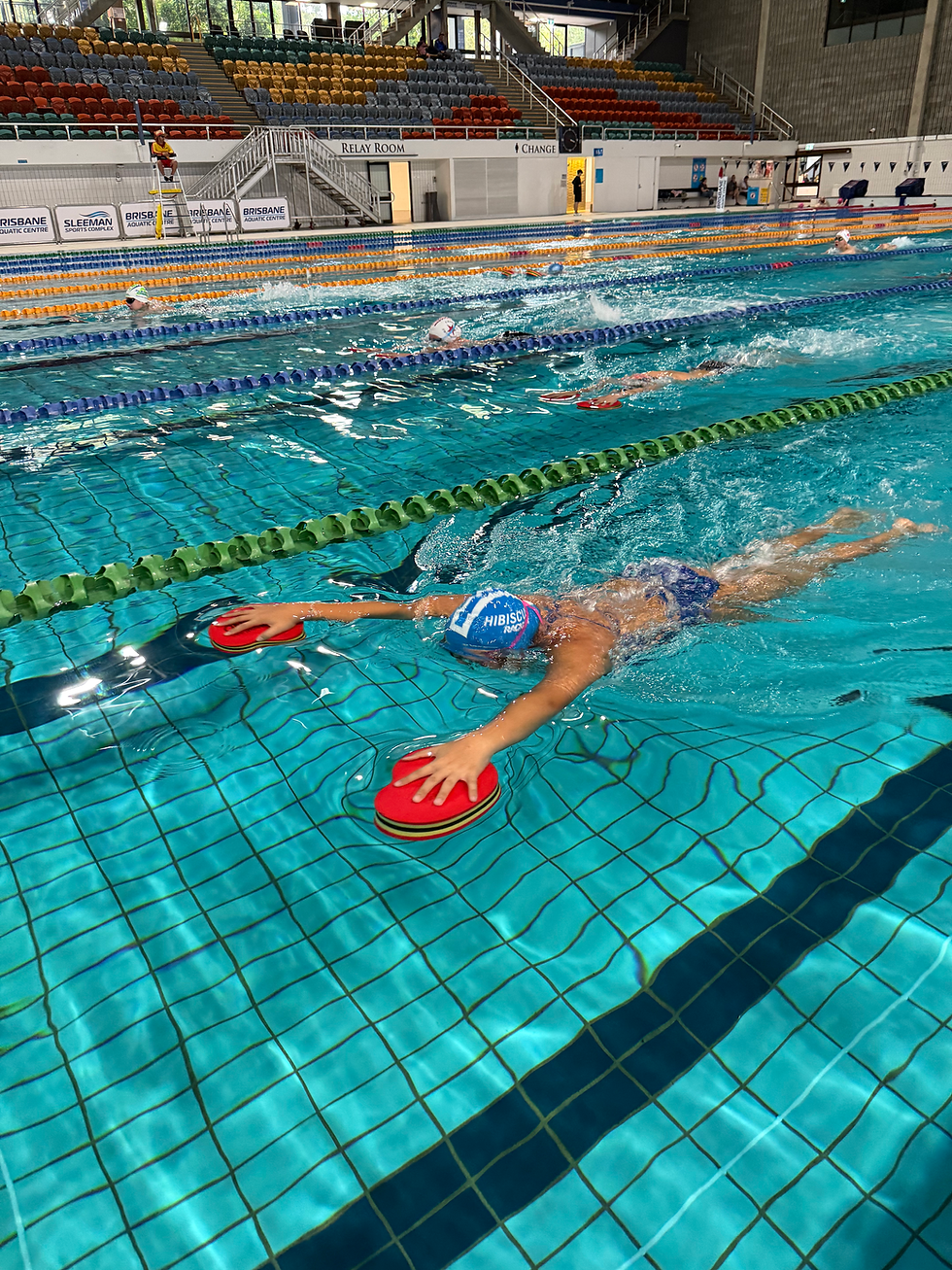
ONCORE drills are specifically crafted for skill acquisition through experiential learning. The textured surface and unique buoyancy characteristics mean swimmers receive constant feedback about their position and movement in the water. This isn't just practice; it's guided improvement with every repetition.
For example, when using ONCORE for balancing drills, swimmers immediately feel:
· Whether their core is properly engaged
· If their body position is aligned
· How well they're maintaining control and stability
This immediate feedback creates a clear connection between the drill and its technical purpose, making it easier to transfer improvements to full-stroke swimming.

Choosing the Right Drill at the Right Time
Effective drill selection requires understanding of the swimmer's current technical limitations, their learning style and level of ability, the specific skill requiring intervention, and the optimal point in the session for technical work.
Remember, a well-timed, purposeful drill is worth more than dozens of mindless repetitions. Quality always trumps quantity when it comes to technical improvement.
Making the Transfer
The ultimate goal of any drill is transfer – taking the improved technique from the drill into full-stroke swimming. This is where ONCORE's experiential learning approach shines. By providing clear feedback during drills, swimmers develop better body awareness and muscle memory that naturally carries over to their regular swimming.
Drills are powerful tools when used with purpose and intent. By approaching them as specific interventions rather than generic practice elements, coaches and swimmers can maximise their effectiveness. With tools like ONCORE providing immediate feedback, the path from drill to skill becomes clearer and more efficient. The next time you're planning a session, ask yourself: "What specific technical change am I targeting with this drill?" If you can't answer that question clearly, it might be time to reassess your approach.